Author: 249668pwpadmin

Pruning trees and shrubs for California’s defensible space zones

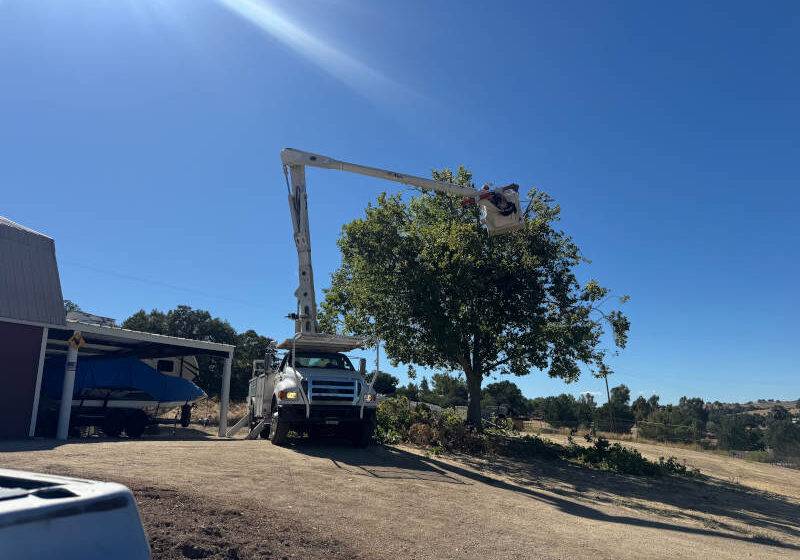
—Wildfire preparation starts close to home. California has established defensible space zones to help control flammable vegetation and other items. Along with weed abatement, pruning trees and shrubs growing in those zones is one of the most important ways property owners can reduce the chance that a ground fire, wind-driven embers, or burning vegetation will reach a house, deck, or other structure. Golden State Tree Solutions has been the trusted tree service provider on the Central Coast, Paso Robles, and surrounding communities since 2007.

Defensible space is about flammable materials and vegetation in three zones up to 100 feet from structures, or to the property line, so fire has fewer continuous fuels to burn. Proper weed abatement and pruning remove dead material, create defensible space between grasses, shrubs, and tree canopies, and help prevent embers from igniting and fire from spreading. Learn more about the zones from the CalFire website.

  • Zone 0, the first five feet: This space needs to be free of combustible materials that can ignite from embers from nearby fires. Recent changes allow for some plants, provided the pots are easily movable. Local fire departments can provide more detail. Golden State Tree Solutions can remove dry, flammable weeds and remove mulch and other flammable vegetation.
  • Zone 1, from five to 30 feet: Remove dead shrubs, dead tree limbs, dry grasses, fallen branches, leaf and pine litter. Prune trees and shrubs to remove ladder fuel (lower branches that catch fire from burning grass). Create space between shrubs and trees to prevent fire from jumping from one to the other.
  • Zone 2, from 30 to 100 feet, or the property line: Vegetation does not need to be completely cleared, but does need to be mowed to four inches or less. The goal is to reduce fuel continuity and slow the spread of an approaching fire. Prune ladder fuel from shrubs and trees and maintain distance between them.

The Paso Robles tree service can assess property and provide expert advice for meeting defensible space requirements. In addition to an assessment and estimate, the licensed and insured company provides regular maintenance, which includes:

  • Pruning or removing shrubs and trees that are touching buildings and roofs. Chimneys and stovepipes require 10 feet of clearance from branches.
  • Removing dead and diseased trees and branches for a healthy canopy.
  • Regular maintenance to control ladder fuels.

Wind, drought, seasonal growth, and falling leaves can quickly recreate fire hazards, meaning that maintaining defensible space is ongoing. Inspect trees and shrubs regularly, especially before peak wildfire season, and maintain a landscape that gives firefighters more room to defend the property safely.

Golden State Tree Solutions is a local, dependable tree service serving San Luis Obispo County and portions of Monterey and Santa Barbara counties. Owner Jesus Morales has more than three decades of experience. The Paso Robles tree service team, familiar with the unique needs of California Central Coast rural and urban properties, is ready to help with all shrubbery and tree care.

Golden State Tree Solutions
Paso Robles CA 93446
(805) 835-1013

Read Now

How often should I water my oak trees?

Oak trees rarely need extra watering because they thrive with natural winter rainfall and naturally dry weather the rest of the year. In fact, watering oak trees by means other than rainfall can kill them and make them vulnerable to disease. The recommendation is to plant oak trees in California in the late fall, before the winter rain. The tree service specialists from Paso Robles’ Golden State Tree Solutions report that some supplemental monthly monitored watering may be necessary in the first and second summers.

Supplemental watering should be slow, deep, and away from the trunk, as close to each tree’s drip line as possible. The drip line is the ground under the outermost edge of the branches where rainwater drips onto the soil. When planting young oaks where there are no other oak trees,  a few inches of mulch applied within the drip line, but not touching the trunk, helps the soil retain moisture.

Oak trees are susceptible to diseases such as oak wilt, canker, root rot, blight, blister, and powdery mildew. The healthier the tree, the more resistant it is to disease. However, oak trees, like any other plant native to California is not as resistant to invasive diseases and insects. Invasive diseases and insects are those that have arrived from other non-California environments, including other states and countries.

Oak trees are also vulnerable to the invasive oak borer beetles. The goldspotted oak borer, brought to California from Arizona and Northern Mexico in the late 1990s, has spread throughout California and is a major threat to mature oak trees. The Mediterranean oak borer is another invasive that has become a threat to oak trees in Northern California.

Long-term drought followed by extremely wet winters can also damage oak trees by causing them to drop limbs. Although limb dropping due to the drought/rain cycle is part of the natural cycle, professional, knowledgeable pruning is the best way to prevent serious damage to oak trees that are dropping limbs.

How can I tell if my oak trees are diseased?

Inspect for yellowing leaves, abnormal or unseasonal leaf loss, changes to the canopy and branches, and dark, oozing cankers on the trunk. Weakened and cracking branches are also signs of disease, drought stress, or normal aging.

“Dropping branches is a natural shedding process, and not necessarily an indication of disease. But, managing broken branches with appropriate pruning can help prevent property damage from falling branches and protect the tree from scarring that may leave it vulnerable to regional diseases and infestations,” reports the Paso Robles tree service specialists.

Keep your oak trees healthy, and help them recover from damage with:

  • Pruning and maintenance.
  • Protecting the root zone.

Pruning and maintenance

For oak trees, pruning is the process of removing aging, brittle, diseased, and dead branches. Pruning helps the tree preserve energy for healthy growth, rather than using it to fight disease.

Pruning after branches drop also helps the tree stay healthy. Cleaning up the scar from a branch breaking helps prevent insect invasion and supports the tree’s natural resistance to disease.

Don’t seal pruning cuts.

The best times to prune are:

  • Late winter/early spring, while the oaks are still dormant.
  • Anytime dead branches or disease are observed.
  • As soon as possible after a branch has broken off.
  • Immediately, when a branch is cracking, damaged, or preparing to drop.

Seasonal inspection helps keep trees healthy. One inspection during dormancy reveals potential problems that may not be visible once the tree has leafed out. A spring inspection, when new growth is sprouting, is generally a good time to spot areas that need attention.

Protecting the root zone

Protect the root zone by keeping it free of any activity that can damage roots. The root zone is an area about four times the size of the tree canopy, meaning it extends a considerable distance past the drip line. Aside from the taproot, most of a tree’s root system is in the top 18 to 30 inches of soil.

Avoid digging, trenching, or paving within the root zone, and minimize parking.

Landscape under oaks by mimicking natural growth, using drought-tolerant native plants such as hummingbird sage, Dutchman’s pipe, and some varieties of ceanothus. Plant at least 6 to 10 feet away from the trunk. Several native California plants thrive along with oak trees.

Where to learn more

The California Native Plant Society is a top source for information about oak trees. Local universities and colleges, especially those with plant science programs, are excellent sources of information. Local nurseries that specialize in native California plants are another important source. Local farm bureaus are good sources for information about diseases and harmful insects.

Getting professional solutions

Learning about oak trees gives you the knowledge to help identify when your trees may be in distress. Professional support from Paso Robles’ Golden State Tree Solutions helps you take the necessary steps.

The company has served California’s Central Coast since 2007, and owner Jesus Morales brings over 30 years of experience in tree solutions. Golden State Tree Solutions is the local, family-owned, dependable tree service for Paso Robles and nearby inland and coastal communities, San Luis Obispo County, King City, and Santa Maria.

  • Do you need a diseased or dying tree removed?
  • Is it time to shape the trees and shrubs in your landscaping?
  • Are you clearing your property for defensible space?
  • Is a tree overgrowing and threatening your roof?
  • Do your trees have dead branches?

The Golden State Tree Solutions team takes pride in doing the job right, on time, with minimal intrusion on your time and your property.

“Our services focus on the long-term health of trees, shrubs, and your land, helping keep your property attractive, safe, and clear of fire fuel,” says the owner, Jesus Morales.

Call for an appointment!

Read Now